
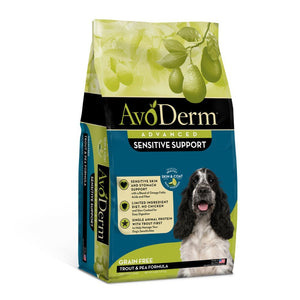
In recent years, grain free dog food has become a prominent topic in pet nutrition. Once a premium niche, these diets are now widely available in the United States and frequently discussed by veterinarians, pet owners, and the media. Supporters highlight cleaner ingredients and potential allergy benefits, while critics raise concerns about long-term health effects and scientific evidence.
This debate has brought grain free dog food to the forefront of U.S. pet care. As more pet owners shop online through platforms like Kwik Pets, understanding both perspectives is essential. This article examines the controversy, current research, market trends, and how dog owners can make informed choices.
Why Grain Free Food for Dogs Became So Popular?
The popularity of grain free dog food parallels human food trends. As gluten-free and low-carb diets became popular, pet owners sought similar options for their dogs, often viewing grains as fillers rather than essential nutrients.
Grain free dog foods typically substitute corn, wheat, or rice with ingredients such as sweet potatoes, lentils, peas, or chickpeas. These alternatives appeal to owners seeking cleaner labels and higher protein content.
U.S. pet food brands quickly adapted, making grain free dog foods a staple in both physical and online stores.
What Is Grain Free Food for Dogs?
Grain free food for dogs refers to dog food formulas that exclude traditional grains such as wheat, corn, barley, oats, and rice. Instead, these formulas use vegetables, legumes, and animal proteins to meet nutritional requirements with food sensitivities, allergies, or digestive issues. However, not all dogs require a grain-free diet, which is where the debate begins.
Common Ingredients Found in Grain-Free Diets
- Sweet potatoes
- Peas and lentils
- Chickpeas
- Tapioca
- High-quality animal proteins
These ingredients are commonly found in grain free dog foods sold across the USA.
Why Is Grain Free Food for Dogs Controversial?
The controversy intensified when the U.S. Food and Drug Administration began investigating a possible link between grain free diets and canine Dilated Cardiomyopathy (DCM). This announcement received national attention and prompted many owners to reconsider their feeding choices.
While no direct cause has been conclusively proven, the investigation highlighted the importance of balanced nutrition. This ongoing research keeps dog grain free food in the spotlight of USA pet care discussions.
What Does USA Research Say About Grain Free Dog Foods?
Research from U.S. veterinary schools and animal nutrition experts suggests the concern lies not with grains themselves, but with the formulation of grain-free diets. Some studies indicate that high levels of legumes may affect nutrient absorption if not properly balanced.
These findings have encouraged pet parents to look beyond marketing claims and focus on ingredient quality and nutritional completeness.
Grain Free Food for Dogs and Food Allergies
One strong argument in favor of grain free food for dogs is allergy management. Some dogs experience sensitivities to certain grains, leading to itching, digestive upset, or ear infections.
For these dogs, grain free dog food can be beneficial when recommended by a veterinarian. However, experts emphasize that true grain allergies are less common than protein allergies.
Comparing Grain Free Dog Foods and Traditional Diets
Understanding these differences helps dog owners make informed decisions.
| Grain content | No traditional grains | Includes rice, wheat, or oats |
| Carb sources | Legumes, vegetables | Grains |
| Allergy use | Helpful in some cases | Suitable for most dogs |
| Cost | Often higher | More budget-friendly |
This comparison shows that grain-free dog foods are not inherently better or worse; their suitability depends on individual needs.
Kwik Pets, a growing name in pet supplies online, supports informed decision-making by offering a wide variety of dog food options. As an online pet store, it allows pet parents to compare ingredients, read descriptions, and choose foods that match their dog’s needs rather than following trends blindly.
By offering both grain-inclusive and grain free options, Kwik Pets emphasizes transparency and choice.
Grain Free Food for Dogs and Digestive Health
Some dog owners report improved digestion and stool quality after switching to grain free food for dogs. This can be due to higher-quality ingredients or better protein sources rather than the absence of grains alone.
Veterinarians often recommend a gradual transition and close monitoring when introducing grain free dog food to prevent digestive upset. U.S. pet industry reports show that grain free dog foods maintain a strong presence in the premium segment. Although growth has slowed, demand remains steady.
Consumers are increasingly selective, favoring brands with scientific support and transparent sourcing.
This shift reflects a more informed pet owner base, not a complete rejection of grain free diets.
Should Puppies Eat Grain Free Food for Dogs?
Puppy nutrition requires careful balance. Some veterinarians advise against feeding grain free diets to large-breed puppies without professional guidance, due to specific growth needs.
Puppy formulas, whether grain free or not, should meet AAFCO standards. Veterinarians play a crucial role in guiding pet parents through the grain-free conversation. Most experts agree that diet choices should be based on individual dog needs rather than trends.
In the United States, many veterinarians now emphasize nutritional adequacy, manufacturer research, and feeding trials when recommending grain free dog foods.
Grain Free Food for Dogs in Multi-Dog Households
In homes with multiple dogs, feeding strategies can become complex. Not all dogs in the same household need the same diet. Some may thrive on grain free food for dogs, while others do better with traditional formulas.
Online platforms like Kwik Pets help manage these differences by offering variety and convenience.
The Future of Grain Free Dog Foods
The future of grain free dog foods likely lies in better formulation rather than elimination. Brands are investing in improved nutrient balance, alternative carb research, and long-term feeding trials.
As research evolves, grain free food for dogs may continue to exist as a targeted solution rather than a universal recommendation.
FAQs
Is grain free food for dogs healthier than regular dog food?
Grain free dog food is not automatically healthier. Its benefits depend on the individual dog and the quality of the formula.
Do veterinarians recommend grain free dog foods?
Some veterinarians recommend grain free dog foods for specific cases, such as confirmed grain sensitivities, but not for all dogs.
Can dog grain free food cause heart problems?
Current research has not proven a direct cause, but investigations continue. Always consult a veterinarian before long-term use.
Are grain free dog foods good for senior dogs?
Grain free dog foods can be suitable for senior dogs if they meet nutritional needs and are approved by a veterinarian.
Where can I buy reliable grain free food for dogs online?
You can find a wide selection at Kwik Pets, a trusted online pet store offering quality pet supplies.