Deciding between renovating an existing home and embarking on a full-scale rebuild is a choice faced by many homeowners. Whether due to expanding family needs, changing personal tastes, or seeking energy efficiency, this decision can profoundly impact your lifestyle and property value. As experts in Canadian steel buildings, we delve into the pros and cons of each option to help you make an informed choice suited to your unique needs.
The Case for Renovation
Renovation can be an attractive option for those who love their current location but wish to update their living spaces. Modernizing kitchens, updating bathrooms, or even adding sustainable features can significantly enhance the functionality and aesthetic of your home without the need for a full tear-down.
One of the primary benefits of renovation is cost efficiency. Renovations can be tailored to specific needs and budgets, targeting areas that provide the most impact, such as energy-efficient windows or modern appliances. Moreover, renovations generally allow homeowners to remain in their homes during the process, minimizing disruption to daily life.
However, renovations come with limitations. Structural changes are often constrained by the existing framework, and unforeseen issues such as outdated wiring or hidden mold can lead to unexpected expenses. Therefore, while renovations can preserve charm and maintain neighborhood character, they require careful planning and potentially tricky compromises on larger structural changes.
The Argument for Rebuilding
In contrast, opting to rebuild offers the rare opportunity to start with a clean slate. With a rebuild, you have the freedom to design a home that perfectly aligns with your vision and needs, incorporating the latest building technologies and materials from the ground up. This is particularly enticing if you are interested in cutting-edge designs or expanding the footprint of your home.
Rebuilding allows homeowners to integrate the latest in sustainable and energy-efficient technologies, potentially reducing future utility bills and environmental impact. You can also avoid the pitfalls of older construction standards and incorporate the best practices in modern building codes.
While a complete rebuild may incur higher initial costs, it often increases property value significantly more than a patchwork of renovations. Nevertheless, the rebuilding process is typically longer and requires temporary relocation, which can disrupt family routines and increase living expenses during construction.
Innovative Alternatives: Barndominiums
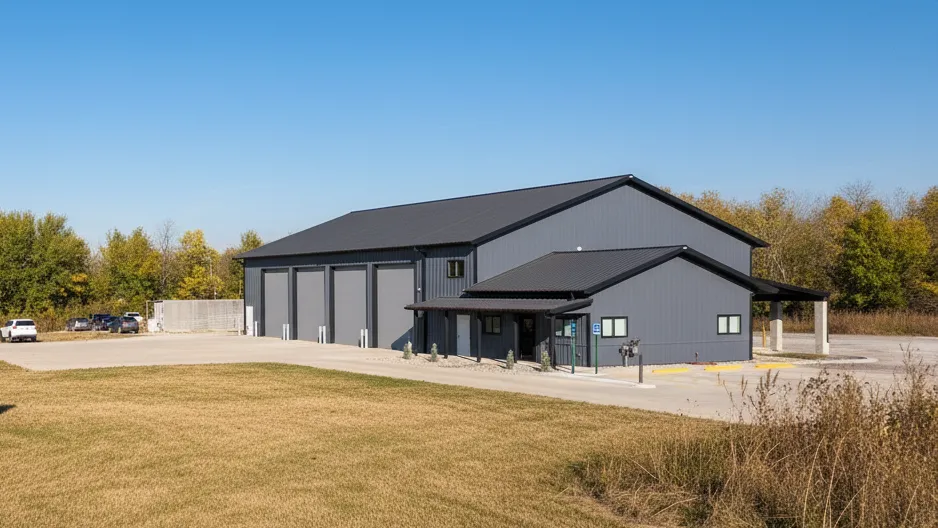
For those considering a non-traditional approach, barndominiums in Canada offer a flexible, efficient, and stylish housing solution. Originally designed as metal barns with living quarters, barndominiums blend rustic charm with modern comfort. These structures are increasingly popular in rural and urban settings alike for their open spaces, sustainability, and unique aesthetic.
The steel framing used in barndominiums provides durability and requires less maintenance than wood. Furthermore, the open floor plans characteristic of barndominiums offer customizability that allows homeowners to design interiors that maximize natural light and space usage.
Given Canada’s vast landscapes and diverse environments, building a barndominium is also an excellent way to embrace the Canadian lifestyle. They are particularly suitable in regions like Quebec, where architectural creativity meets traditional French-Canadian design elements.
Financial Considerations
When deciding between renovation and rebuild, the financial implications are a critical consideration. Renovations can be budget-friendly if the scope is modest, whereas a full rebuild can rack up costs quickly, aligning more closely with new construction prices.
It is important to seek professional appraisals and cost estimates to understand the financial landscape of both options fully. Furthermore, consider how each option might affect your property’s value compared to your neighborhood. Consulting with local real estate experts or a financial advisor can provide insight into potential return on investment.
Environmental Impacts
Both renovations and rebuilds have environmental impacts that shouldn’t be overlooked. Renovations, by reusing existing structures, generally have a lower carbon footprint and generate less waste. They can also offer opportunities to include sustainable features incrementally.
On the other hand, a rebuild, while initially resource-intensive, allows for the construction of a home with superior energy efficiency and a lower long-term environmental impact. With the ability to integrate solar panels, advanced insulation, and smart home systems, rebuilds can be designed to meet or exceed environmental standards.
A Final Word: Tailoring to Your Lifestyle
The choice between renovation and rebuild ultimately depends on your lifestyle, goals, and long-term plans. Considerations such as how long you plan to stay in the home, your personal attachment to the area, and your lifestyle aspirations all play a vital role in making the right decision.
If maintaining the historical character or charm of a beloved home is paramount, then renovation is often the best route. However, if you’re dreaming of a completely modernized, custom-designed space without compromise, a rebuild will serve you well.
Incorporating innovative housing such as barndominiums appeals to those who seek a bold departure from traditional home design. The best step forward balances your financial capability, desired home attributes, and environmental consciousness, ultimately leading you to a space that you’ll cherish for years to come.