A roof is one of the most important parts of any home, protecting it from weather, moisture, and everyday wear. In Florida, however, roofing systems face greater challenges than in many other parts of the country. Intense sunlight, high humidity, heavy rainfall, and hurricane-force winds can all affect a roof’s performance and lifespan. Because of these conditions, homeowners often ask how long does a roof last in Florida and whether certain roofing materials perform better than others.
The answer depends on several factors, including the type of roofing material, installation quality, regular maintenance, and exposure to Florida’s climate. Understanding these factors can help homeowners make informed decisions when repairing or replacing a roof.
What Affects a Roof’s Lifespan?
Although every roofing system is different, several key factors influence how long it will remain in good condition.
Florida’s Climate
Florida experiences prolonged exposure to ultraviolet (UV) rays, frequent thunderstorms, tropical storms, and high humidity. Over time, these conditions can cause roofing materials to expand, contract, and gradually deteriorate.
Installation Quality
Even high-quality roofing materials may not perform as expected if they are installed incorrectly. Professional installation helps ensure the roof can withstand harsh weather conditions while maintaining proper drainage and ventilation.
Maintenance
Routine roof inspections and timely repairs can extend the life of a roofing system. Addressing damaged shingles, loose flashing, or small leaks early often prevents more costly repairs later.
These factors all influence how long does a roof last in Florida, regardless of the material selected.
Average Lifespan of Common Roofing Materials
Different roofing materials are designed to provide different levels of durability.
Asphalt Shingles
Asphalt shingles remain one of the most common residential roofing options because they are affordable and widely available. With proper installation and maintenance, they can provide reliable performance for many years.
Tile Roofing
Concrete and clay tile roofs are well suited to Florida’s climate because they resist heat and moisture effectively. Many homeowners choose tile roofing for its durability and distinctive appearance.
Metal Roofing
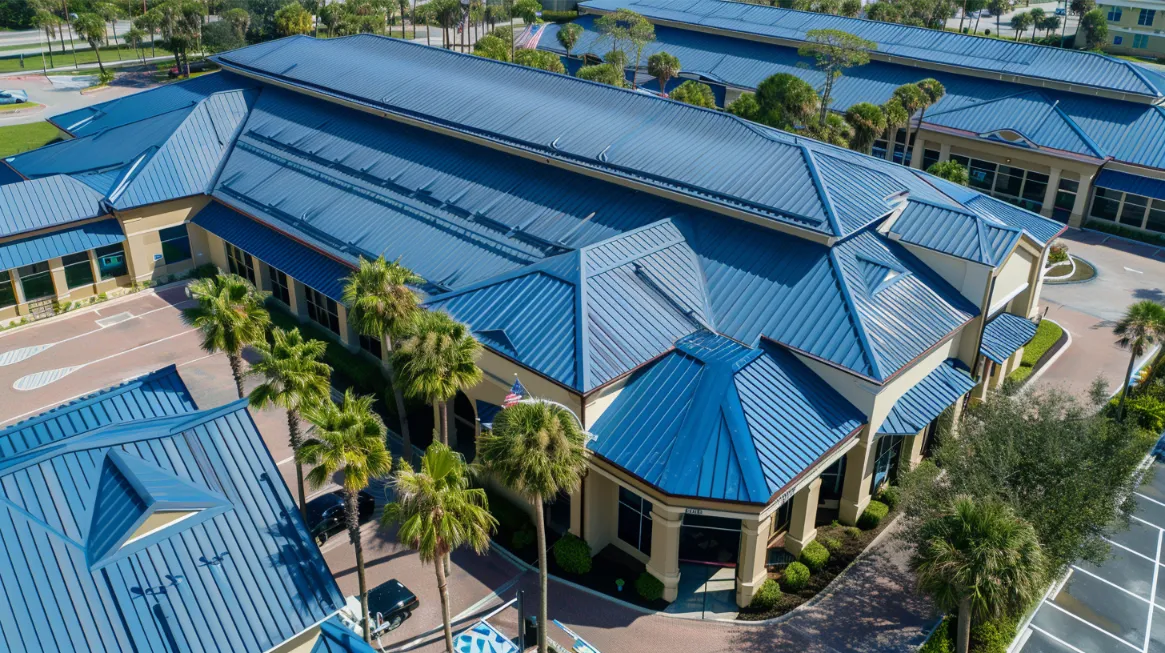
Metal roofing has become increasingly popular throughout South Florida due to its strength, longevity, and ability to withstand severe weather. It also reflects a portion of the sun’s heat, which may contribute to improved energy efficiency.
Each material offers different advantages, making it important to compare performance as well as appearance.
Choosing the Best Roofing Material for South Florida
Selecting the best roofing material for South Florida involves more than choosing the most attractive option. Homeowners should consider how well a roofing system performs under local weather conditions.
Some important factors include:
- Resistance to high winds
- Durability in heavy rain
- Heat reflection
- Moisture resistance
- Long-term maintenance requirements
- Overall value over time
Because South Florida experiences both extreme heat and severe storms, durability should be a major consideration when evaluating roofing materials.
Energy Efficiency Matters
Roofing materials can also influence a home’s energy performance.
Darker materials typically absorb more heat, while reflective roofing products help reduce heat absorption during sunny weather. Improved roof performance may reduce the workload placed on air conditioning systems, particularly during the summer months.
For homeowners replacing an older roof, choosing the best roofing material for South Florida may improve both comfort and overall energy efficiency.
Signs Your Roof May Need Replacement
Even well-maintained roofs eventually reach the end of their service life.
Some common warning signs include:
- Missing or damaged shingles
- Cracked or broken roofing materials
- Persistent roof leaks
- Water stains on ceilings
- Sagging roof sections
- Granules are collecting in the gutters
- Storm-related damage
If these issues appear repeatedly, it may be more practical to replace the roof rather than continue making repairs.
A professional inspection can help determine the condition of the roofing system and identify the most appropriate solution.
The Importance of Professional Roof Inspections
Regular inspections play an important role in protecting a home’s roofing investment.
Roofing professionals can identify minor problems before they become major repairs. Early detection of damaged flashing, loose shingles, drainage issues, or moisture intrusion often extends the roof’s service life and helps homeowners avoid unexpected expenses.
Inspections are especially valuable after severe storms, which are common throughout Florida.
Final Thoughts
Understanding how long does a roof last in Florida requires looking beyond the roofing material alone. Climate, installation quality, routine maintenance, and weather exposure all contribute to the lifespan of a roof.
When it comes time for replacement, selecting the best roofing material for South Florida should involve careful consideration of durability, energy efficiency, weather resistance, and long-term value. By choosing quality materials and working with experienced roofing professionals, homeowners can invest in a roofing system that is better prepared to handle Florida’s demanding climate while protecting their home for years to come.