
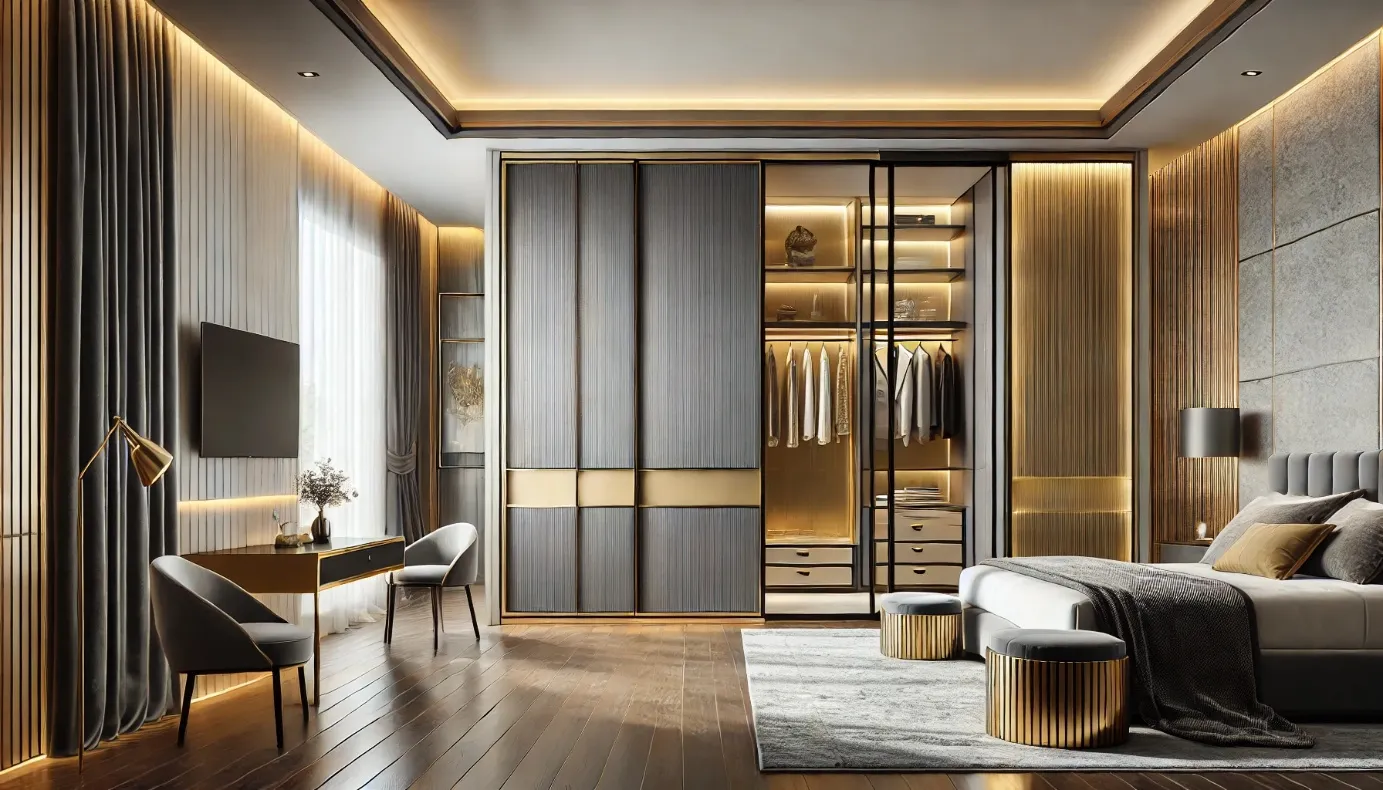
A wardrobe can look impressive and still be frustrating to use. The problem often comes from planning storage around dimensions alone instead of considering how the person actually gets dressed, stores belongings, and uses the bedroom every day.
A better wardrobe starts with habits. Someone who owns mostly workwear needs a different internal layout from someone with a large shoe collection, sports equipment, or seasonal clothing. By thinking about lifestyle first, fitted storage can become much more practical and easier to maintain.
Start With What You Own
Before planning a wardrobe, it helps to take stock of the items that need to be stored.
Separate clothing into categories such as long garments, shirts, trousers, knitwear, shoes, bags, and accessories. This immediately shows which type of storage is most important.
For example, someone with many dresses and coats may need more full-height hanging space. Another person may benefit from extra drawers and shelves instead.
The aim is to create storage around real belongings rather than a generic layout.
Think About Your Morning Routine
The way you get ready each day can influence the best wardrobe design.
If work clothes are used every morning, they should be easy to reach. Frequently worn shoes should not be hidden at the back of a deep cabinet, while occasional items can sit higher up.
People researching fitted wardrobes Glasgow can benefit from thinking about everyday access before choosing the final internal layout.
Small decisions, such as placing drawers at a comfortable height, can make the wardrobe easier to use every day.
Give Each Category a Clear Home
Clutter often develops when items do not have a defined place.
Shoes may end up on the floor, bags get stacked in corners, and accessories disappear into overcrowded drawers. Dedicated sections can prevent this from happening.
Shoe racks, pull-out drawers, adjustable shelving, and smaller compartments can all make storage easier to manage.
When every category has a clear home, putting things away becomes quicker, and the wardrobe is more likely to stay organised.
Plan for Seasonal Changes
Most wardrobes contain items that are not used throughout the year.
Heavy coats, winter knitwear, holiday clothing, or summer accessories can take up valuable space if they remain in prime positions all year.
Higher shelves and less-accessible sections are ideal for seasonal storage. Everyday clothes can remain at eye level or within easy reach.
Rotating items between seasons also helps prevent the main storage areas from becoming overcrowded.
Consider Shared Wardrobes Carefully
A wardrobe used by two people needs a different layout from one designed for a single person.
Dividing the space into clear zones can make shared storage easier to manage. Each person may have separate hanging sections, drawers, or shelves, while central areas can be used for shared items such as bedding or luggage.
This can reduce confusion and make it easier for both people to keep the wardrobe organised.
Use Vertical Space Properly
A lot of storage is lost when the upper part of a wardrobe is not used effectively.
Full-height fitted storage can provide room for suitcases, spare bedding, boxes, and items that are only needed occasionally.
Pull-down rails may also make higher hanging areas easier to access.
Using height intelligently allows more belongings to be stored without increasing the wardrobe’s footprint in the room.
Match the Exterior to the Bedroom
Once the internal layout is planned, attention can turn to the outside.
Mirrored doors may help a smaller room feel brighter, while matte or neutral finishes can create a softer appearance. Gloss finishes can suit modern interiors, while simpler designs may work better in traditional bedrooms.
The exterior should complement the room, but it should not come at the expense of practical storage inside.
Leave Some Space for Future Needs
A wardrobe should not be full on the day it is installed.
Storage needs can change over time. New clothing, hobbies, lifestyle changes, or different room uses may require additional space.
Leaving a little flexibility can make the wardrobe more useful in the long term.
Adjustable shelves and adaptable internal sections can help the design evolve without requiring major changes.
Conclusion
The most practical wardrobes are designed around people, not just walls. Clothing habits, daily routines, seasonal changes, shared storage, and future needs all influence what the internal layout should look like.
Planning around real-life use can turn fitted storage, such as DC Sliding Wardrobes, into something that genuinely improves the bedroom. When every section has a purpose, and frequently used items are easy to reach, the wardrobe becomes easier to organise and far more useful over time.