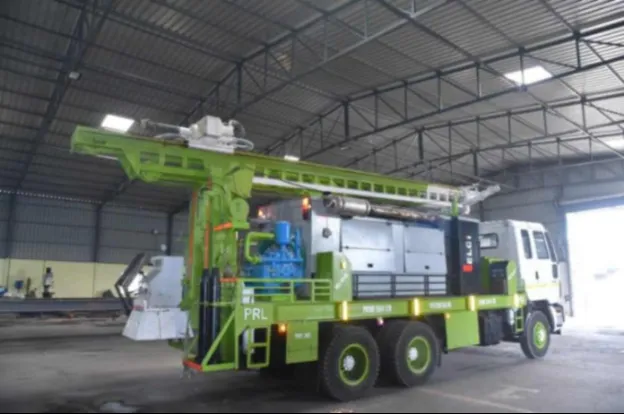
Drilling projects often require substantial investment in machinery, transport, maintenance and site preparation. For contractors and businesses working within defined budgets, purchasing refurbished equipment can provide an alternative to buying brand-new machinery. However, the decision requires careful evaluation because the condition of the equipment, its previous use and the availability of replacement parts can influence both operating costs and project reliability.
Businesses considering refurbished borehole drilling equipment for sale should look beyond the initial purchase price and assess whether a machine can meet their intended working requirements. Factors such as drilling depth, ground conditions, power requirements, maintenance history and component condition all affect its suitability. A well-evaluated purchase can help businesses manage capital expenditure while securing equipment that supports their operational needs.
Why Consider Refurbished Drilling Equipment?
Refurbished machinery can appeal to businesses that want to control initial investment without automatically choosing the lowest-priced equipment available. Depending on the machine’s age, condition and refurbishment work completed, a used unit may offer useful operating capabilities at a lower purchase cost than a comparable new model. This can be particularly relevant for smaller contractors, businesses entering a new market or organisations expanding their equipment capacity.
Match the Rig to the Project Requirements
Before comparing machines, buyers should define the technical requirements of their intended drilling work. Borehole projects can vary considerably according to ground composition, required depth, bore diameter, water availability and site accessibility. A machine designed for one type of drilling application may not be suitable for another, even if its general specifications appear comparable.
Inspect the Condition of Major Components
A thorough inspection is essential when assessing refurbished drilling machinery. Buyers should pay attention to the structural frame, mast, hydraulic system, engine or motor, transmission, rotating components and other systems relevant to the specific model. Excessive wear, leaks, unusual noises, damaged fittings or signs of poor repairs may indicate issues that require further investigation before purchase.
Review Refurbishment and Maintenance Records
Documentation can provide valuable insight into the history of a used machine. Service records, previous repair reports, component replacement details and available operating-hour information can help buyers understand how the equipment has been maintained. Refurbishment records should identify the work completed, including which components were repaired, replaced or tested and whether any known issues remain unresolved.
Evaluate the Total Cost of Ownership
The purchase price is only one element of the financial decision. Transport, installation, tooling, operator training, spare parts and routine servicing can add significantly to the initial cost of refurbished machinery. Depending on the equipment’s condition, buyers may also need to budget for repairs or replacement components soon after delivery. These expenses should be considered before deciding whether a particular unit represents good value. When reviewing refurbished borehole drilling equipment for sale, compare the estimated total cost of ownership against the likely workload and expected period of use.
Check Parts Availability and Technical Support
Even a properly refurbished machine will require maintenance throughout its working life. Access to suitable replacement parts can influence how quickly equipment is returned to service when components wear out or fail. Before purchasing, identify which parts are readily available, whether compatible alternatives exist and how long commonly required components may take to obtain. A knowledgeable drilling equipment supplier may help explain the machine’s specifications, identify compatible accessories and clarify the scope of any warranty or post-sale support. Nevertheless, buyers should confirm these commitments in writing rather than assuming that all forms of assistance are included in the purchase.
Compare Suppliers Carefully
The quality of the buying process depends partly on how clearly the seller communicates the equipment’s condition and limitations. Buyers should look for accurate specifications, transparent refurbishment information and straightforward answers to technical questions. It is reasonable to ask for photographs, inspection reports, maintenance records and details of any warranty offered before making a final decision. A professional drilling equipment supplier should be able to clarify what is included in the quoted price, how the machine will be prepared for delivery and what support is available after the sale.
The Bottom Line
Refurbished drilling machinery can be a practical option for businesses seeking to manage capital expenditure while meeting project requirements. The strongest purchasing decisions begin with a clear understanding of the intended application, followed by a careful assessment of component condition, refurbishment records, safety, parts availability and long-term operating costs. Taking these steps helps buyers identify potential risks before they affect project performance.
For businesses exploring refurbished equipment options, Prime Rigs is one provider to consider when comparing available machinery and supplier information. Reviewing the specifications, requesting supporting documentation and confirming service arrangements can help buyers make a more informed decision and select equipment that aligns with their operational priorities.