

Maintaining the perfect balance of your pool water chemistry is essential for ensuring a safe and enjoyable swimming experience. Properly balanced water not only protects swimmers from harmful bacteria and irritants but also extends the lifespan of your pool equipment. This guide will walk you through the steps to balance your pool water chemistry like a pro, making pool maintenance straightforward and effective.
Understanding Pool Water Chemistry
Key Chemical Levels
To maintain balanced pool water, you need to monitor and adjust several key chemical levels:
- pH Level: Measures the acidity or alkalinity of the water. The ideal range is 7.4 to 7.6.
- Total Alkalinity: Acts as a buffer for pH, preventing drastic changes. The ideal range is 80 to 120 ppm (parts per million).
- Chlorine: Kills bacteria and keeps the water sanitary. The ideal range is 1 to 3 ppm.
- Calcium Hardness: Prevents corrosion and scaling. The ideal range is 200 to 400 ppm.
- Cyanuric Acid: Stabilizes chlorine levels. The ideal range is 30 to 50 ppm.
Step-by-Step Guide to Balancing Pool Water Chemistry
Step 1: Test the Water
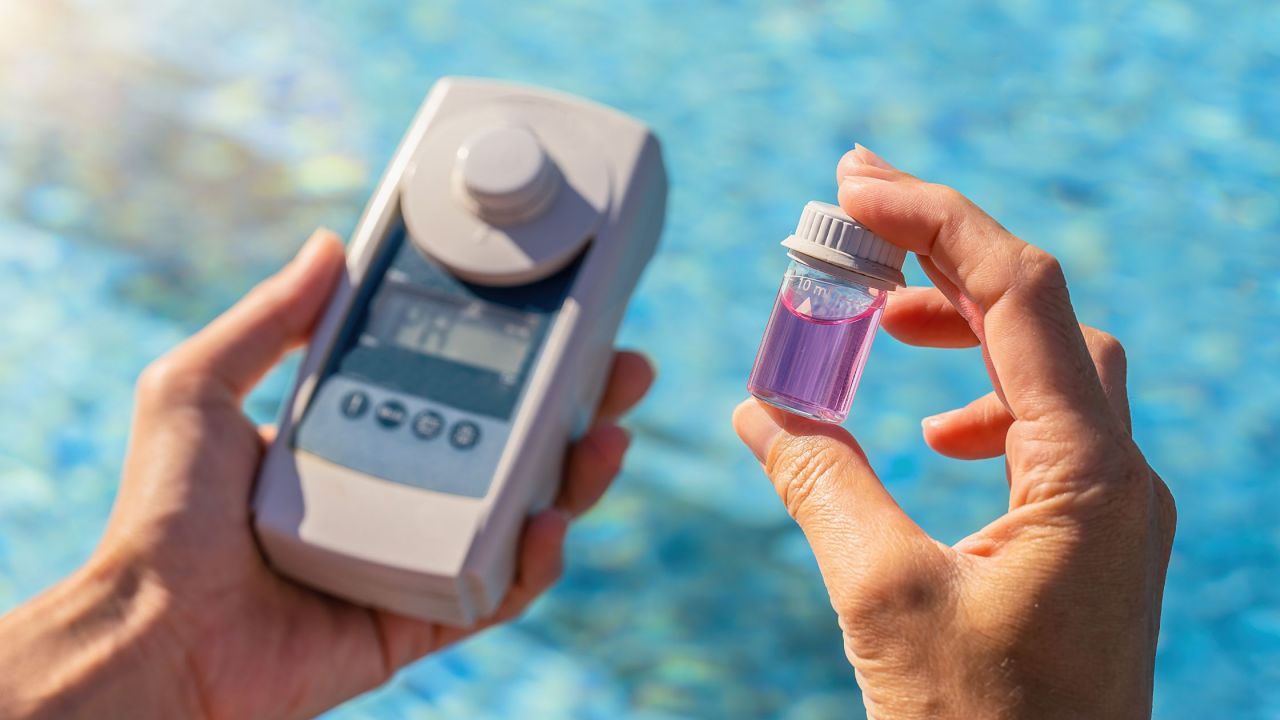
Testing your pool water regularly is the first step to maintaining balanced chemistry. Use a reliable testing kit or test strips to measure the pH, total alkalinity, chlorine, calcium hardness, and cyanuric acid levels.
- Frequency: Test the water at least twice a week during peak swimming season and once a week during the off-season.
Step 2: Adjust pH Levels
pH is the most crucial aspect of water chemistry. If the pH is too high or too low, it can cause irritation and reduce the effectiveness of chlorine.
- Lowering pH: Add muriatic acid or sodium bisulfate.
- Raising pH: Add sodium carbonate (soda ash).
Always add chemicals gradually and retest the water after a few hours.
Step 3: Balance Total Alkalinity
Total alkalinity helps stabilize the pH level. If alkalinity is too low, the pH can fluctuate easily; if too high, it can lead to cloudy water and scaling.
- Lowering Alkalinity: Add muriatic acid.
- Raising Alkalinity: Add sodium bicarbonate (baking soda).
Adjust alkalinity first, as it affects pH stability.
Step 4: Maintain Chlorine Levels
Chlorine is essential for sanitizing your pool. It kills bacteria and algae, keeping the water safe for swimmers.
- Adding Chlorine: Use chlorine tablets, granules, or liquid chlorine.
- Shocking the Pool: Occasionally, you’ll need to shock the pool with a high dose of chlorine to kill off any persistent bacteria or algae. This should be done weekly or after heavy use or rain.
Step 5: Monitor Calcium Hardness
Calcium hardness prevents corrosion of pool surfaces and equipment. Low calcium levels can cause corrosion, while high levels can lead to scaling.
- Lowering Calcium Hardness: Partially drain and refill the pool with fresh water.
- Raising Calcium Hardness: Add calcium chloride.
Step 6: Stabilize Chlorine with Cyanuric Acid
Cyanuric acid protects chlorine from being broken down by the sun’s UV rays. This stabilizer is especially important for outdoor pools.
- Adding Cyanuric Acid: Use cyanuric acid granules or stabilized chlorine products.
- Maintaining Levels: Avoid adding too much, as high levels can reduce chlorine’s effectiveness.
Tips for Maintaining Balanced Pool Water
Regular Cleaning
Keeping your pool clean is vital for maintaining balanced water chemistry. Debris and organic matter can affect chemical levels and promote algae growth. Regularly skim the surface, brush the walls and floor, and use a pool cleaner to remove dirt and debris.
Consistent Testing and Adjustments
Regularly test your water and make necessary adjustments to maintain the ideal chemical levels. Consistency is key to preventing imbalances that can lead to more significant issues.
Professional Advice
Don’t hesitate to seek professional advice if you encounter persistent problems or are unsure about chemical adjustments. Pool maintenance professionals can provide valuable insights and services to keep your pool in top condition.
Choosing the Best Tools for the Job
Investing in high-quality pool maintenance tools can simplify the process of balancing your pool water chemistry. For instance, using the best pool cleaner can help maintain cleanliness and reduce the frequency of chemical adjustments needed. Look for reliable and efficient tools that suit your pool’s specific needs.
Conclusion
Balancing your pool water chemistry like a pro involves regular testing, consistent adjustments, and the use of quality maintenance tools. By following the steps outlined in this guide, you can ensure your pool remains safe, clean, and enjoyable for all swimmers.
Remember, a well-maintained pool not only enhances your swimming experience but also protects your investment and extends the life of your pool equipment.