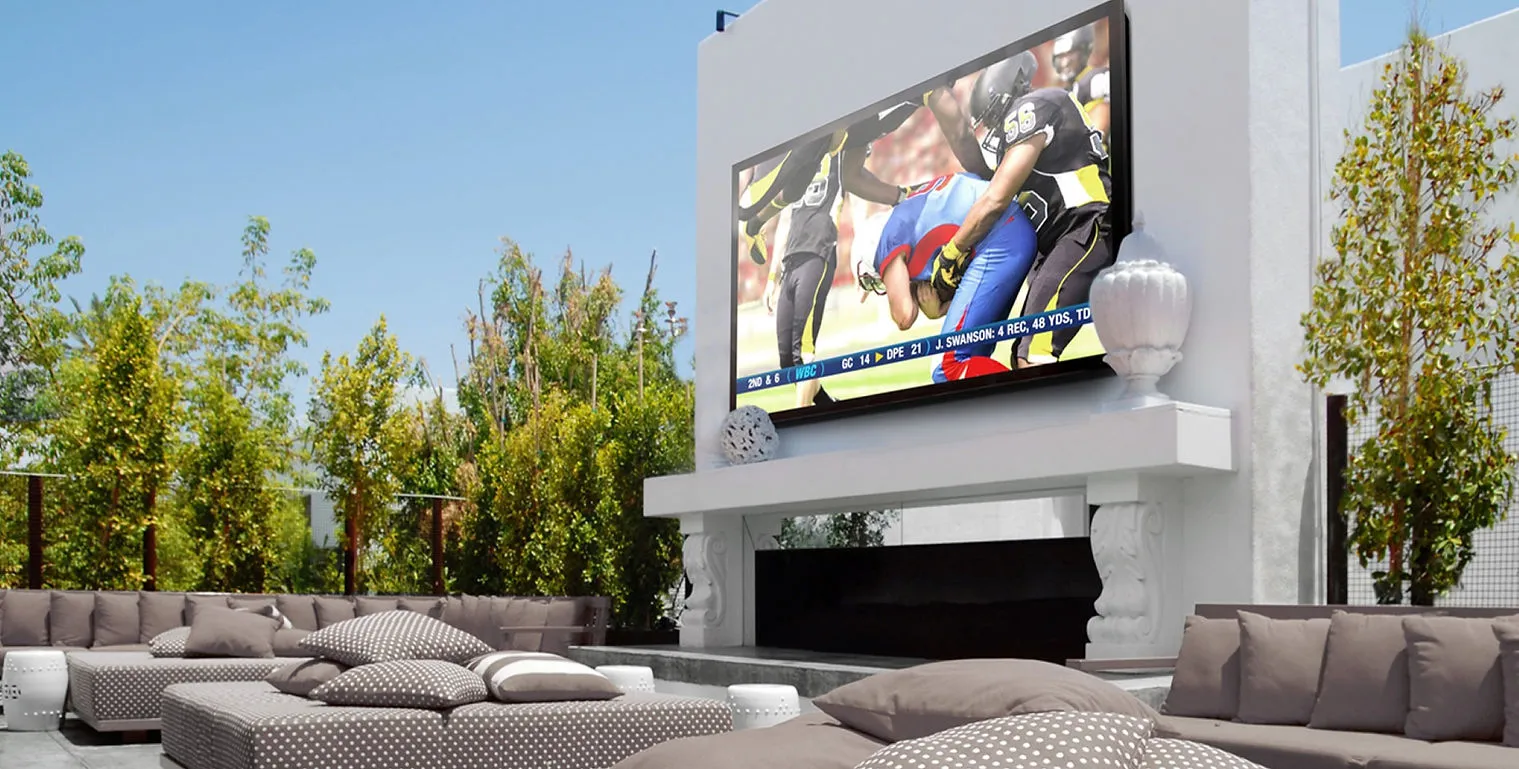
An outdoor television can turn a patio, covered deck, or backyard seating area into a favorite gathering place. However, installing entertainment equipment outside requires more planning than moving an indoor television onto an exterior wall. Weather exposure, changing sunlight, electrical safety, and network reliability can all affect performance. Homeowners who overlook these factors may face premature equipment failure or frustrating interruptions. Understanding the most common installation mistakes helps create a safer, more dependable outdoor entertainment space.
Using an Indoor Television Outside
One of the most expensive mistakes is assuming that a standard indoor television can operate safely outdoors simply because it sits beneath a roof. Outdoor environments introduce moisture, dust, temperature changes, and condensation that indoor electronics may not be designed to withstand. Even covered patios can experience wind-driven rain and significant humidity.
Purpose-built outdoor televisions offer environmental protection suited to their intended installation conditions. However, their capabilities vary, and homeowners should review the manufacturer’s temperature limits, environmental ratings, and installation instructions. Selecting appropriate equipment from the beginning can reduce preventable maintenance problems.
Choosing a Location Without Studying Sunlight
A television that looks excellent during an evening demonstration may become difficult to watch during afternoon gatherings. Direct sunlight and reflections can significantly reduce screen visibility. Before mounting the display, observe the proposed location at different times. Consider where sunlight falls, whether nearby windows produce reflections, and how the seating arrangement affects viewing angles.
Partial-shade and full-sun installations may require different display brightness capabilities. Avoid placing the screen where direct exposure exceeds the manufacturer’s recommendations. A suitable location should balance visibility, environmental protection, comfortable seating, and convenient access for maintenance.
Ignoring the Strength of the Mounting Surface
Outdoor mounting involves more than selecting a bracket that supports the television’s weight. The condition and structure of the wall are equally important. Brick, masonry, wood framing, and other exterior materials require appropriate fastening methods. Incorrect anchors or poorly selected mounting locations can create serious safety risks.
A professional outdoor TV mounting service can assess structural support, mounting height, and suitable hardware for the installation. Homeowners should also consider whether a fixed or articulating mount is appropriate. Adjustable mounts require particular attention to clearance, wind exposure, and the manufacturer’s specifications.
Treating Electrical Safety as an Afterthought
Outdoor televisions need properly planned electrical connections, and household extension cords should not become permanent solutions. Electrical outlets, wiring, and protective devices must be suitable for their location and comply with applicable electrical codes. Ground-fault circuit interrupter protection may be required depending on the installation.
A qualified electrician should handle necessary electrical modifications. Equipment cables also need protection from physical damage and exposure. Proper routing helps reduce hazards while preserving the appearance of the entertainment area. Planning electrical requirements before mounting the television can prevent unsafe shortcuts and unnecessary modifications afterward.
Overlooking the Outdoor Network Connection
Reliable connectivity becomes particularly important when the television depends on internet-based entertainment services. A router that provides excellent coverage inside the house may struggle to reach a distant patio, detached structure, or backyard seating area. Homeowners considering home wifi installation should evaluate outdoor coverage as part of the overall network design.
Suitable solutions may include professionally positioned wireless access points or wired connections where supported. Outdoor networking equipment must also be rated for the intended environment. Testing signal quality at the television’s actual location is more useful than assuming nearby indoor coverage will be sufficient.
Forgetting About Sound and Neighboring Properties
Outdoor spaces behave differently from enclosed rooms because sound travels without the same boundaries and reflections. Television speakers may struggle to provide clear dialogue across a large seating area, especially when traffic, wind, or conversations create background noise. Weather-appropriate external speakers can improve listening conditions, but placement and volume require careful consideration.
Directing sound toward the intended audience can help reduce unnecessary disturbance to neighboring properties. Homeowners should also review local noise restrictions. An enjoyable outdoor setup delivers understandable dialogue without requiring excessive volume.
Planning for Maintenance and Seasonal Changes
Even equipment designed for outdoor use requires periodic inspection and appropriate care. Homeowners should check mounting hardware, exposed cables, and surrounding surfaces for signs of deterioration. Cleaning must follow manufacturer instructions, particularly around ventilation openings and display coatings. Seasonal temperature changes may also affect whether equipment can remain operational throughout the year.
Before installation, consider these practical details:
-
Access for inspections and servicing.
-
Protection from landscaping equipment and falling debris.
-
Appropriate cable routing and weather-resistant connections.
-
Manufacturer-approved cleaning procedures.
-
Safe operation during seasonal temperature extremes.
A maintenance plan can help preserve reliability and reduce unexpected interruptions.
Conclusion
Outdoor entertainment equipment performs best when the environment is treated as part of the installation rather than an inconvenience to overcome later. Appropriate weather protection, structural support, electrical planning, and dependable connectivity are all essential considerations. Epic Systems provides outdoor television and networking services in New Jersey, where these factors can be evaluated together. The lasting value of an outdoor entertainment area comes from dependable operation, comfortable viewing, and the ability to enjoy the space without constantly worrying about the equipment.