
Open almost any modern electronic device and you will find an incredible amount of fragile engineering packed into a tiny space. Smartphones, medical devices, automotive control systems, industrial machinery, even aircraft electronics all depend on delicate circuit boards functioning perfectly under conditions that are often far from ideal.
Humidity creeps in. Dust settles. Temperatures fluctuate. Chemicals, salt, and vibration slowly wear things down. And yet most electronics survive years of use without people ever thinking about what is quietly protecting them behind the scenes. That is where conformal coating comes in.
It is not flashy technology. Nobody buys a device because of the coating on its circuit board. But after spending time learning about the industry, it becomes clear that conformal coating plays a surprisingly important role in modern electronics reliability. In many cases, it is the invisible layer standing between stable performance and expensive failure.
What Conformal Coating Actually Is
Conformal coating is a thin protective film applied to electronic circuit boards and components to shield them from environmental damage. The coating “conforms” closely to the shape of the components, which is where the name comes from. Unlike bulky protective casings, conformal coatings form a lightweight barrier directly over sensitive electronics.
The purpose sounds simple, but the impact is huge.
These coatings help protect electronics from:
-
Moisture and humidity
-
Dust and debris
-
Corrosion
-
Temperature fluctuations
-
Chemicals and contaminants
-
Salt spray in marine environments
Without protection, even small amounts of environmental exposure can gradually damage circuit boards. Corrosion alone can create serious reliability problems over time.
And the tricky part is that electronic failures often happen slowly and unpredictably. Devices may work perfectly for months before tiny environmental effects start causing issues.
Why Conformal Coating Matters More Than Ever
Modern electronics are becoming smaller, denser, and more powerful. That combination creates both impressive innovation and greater vulnerability. Tiny circuits packed tightly together leave less room for error.
A small amount of moisture or contamination that might once have been manageable can now disrupt highly compact systems. This is especially important in industries like automotive manufacturing, aerospace, renewable energy, and healthcare, where reliability is critical. Electric vehicles are a great example.
Modern EVs contain large numbers of electronic systems controlling batteries, sensors, safety mechanisms, infotainment systems, and power management. Those systems face heat, vibration, humidity, and road conditions daily. Protective coatings help extend reliability under those demanding conditions.
I came across Roots Analysis and they mentioned that this market is “The conformal coating market size is projected to grow from $1.17 billion in 2024 to $2.18 billion by 2035, representing a CAGR of 5.83% during the forecast period 2024-2035.”
That growth may not sound explosive compared to some technology sectors, but honestly, it reflects something important: electronics are becoming so essential that protecting them properly is no longer optional.
Different Coatings for Different Situations
One thing I found interesting while exploring this topic is how specialized conformal coatings can become depending on the application. There is no universal “best” coating for every situation.
For example:
-
Acrylic coatings are popular because they are affordable and easy to repair.
-
Silicone coatings handle extreme temperatures very well.
-
Polyurethane coatings offer strong chemical resistance.
-
Parylene coatings provide highly uniform protection for sensitive applications.
Industries choose coatings based on the environment electronics will face. Medical devices may require ultra-thin precision coatings. Marine systems need protection against salt exposure. Aerospace electronics deal with temperature extremes and vibration. Industrial factories may prioritize chemical resistance.
It is one of those industries where small material differences can have major real-world consequences.
The Manufacturing Process Is More Delicate Than It Looks
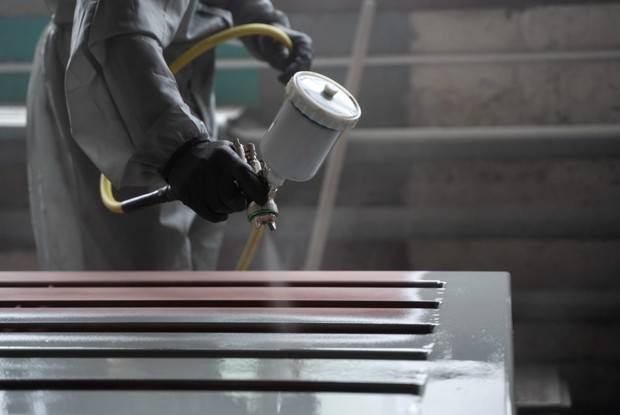
From the outside, applying conformal coating sounds straightforward. Spray a protective layer onto a circuit board and move on. The reality is far more precise.
Proper coating application requires careful surface preparation, masking sensitive connectors, controlling coating thickness, and ensuring even coverage. Too little protection creates weak points. Too much coating can interfere with components or trap contaminants.
Even curing conditions matter. Some coatings air dry while others require heat or UV curing systems. Manufacturing teams have to balance efficiency with consistency because even small mistakes can affect long-term performance.
I remember reading a technician describe coating inspection as “looking for invisible problems before customers ever see them.” That feels surprisingly accurate because much of the value lies in preventing failures people never notice.
The Hidden Challenge of Repairability
Here is something many people outside electronics manufacturing probably never think about: protecting electronics can also make repairs more complicated.
Once a coated circuit board needs servicing, technicians often have to carefully remove sections of coating before accessing components underneath. Some coatings are easier to remove than others. This creates an interesting trade-off.
Stronger protection often increases complexity during maintenance or repair. Manufacturers constantly balance durability, cost, production speed, and serviceability when selecting coating systems.
And honestly, those decisions matter more as devices become harder to repair generally. The electronics industry already struggles with sustainability concerns around e-waste and product lifespans. Better protective coatings can help devices last longer, but repairability still remains part of the larger conversation.
Automation Is Changing the Industry Too
Like many manufacturing sectors, conformal coating processes are becoming increasingly automated. Robotic spraying systems, automated inspection tools, and AI-assisted quality control now help manufacturers improve consistency while reducing production errors. Automation is especially important in high-volume industries where even tiny inconsistencies can create reliability problems later.
At the same time, skilled technicians are still incredibly important. Electronics manufacturing often depends on human judgment alongside automation, especially when dealing with specialized applications or troubleshooting complex defects.
That balance between precision machinery and hands-on expertise feels like a recurring theme across modern manufacturing industries.
Conclusion
Conformal coating may not be a household topic, but its importance quietly grows alongside the world’s dependence on electronics.
As devices become more compact, interconnected, and essential to everyday life, protecting sensitive systems becomes increasingly critical. Whether inside electric vehicles, medical equipment, aerospace controls, or industrial systems, conformal coatings help electronics survive environments that would otherwise damage them over time.
What makes the field interesting is that it sits at the intersection of materials science, manufacturing precision, and practical reliability. It is not glamorous technology, but it is deeply necessary technology. And honestly, some of the most important innovations are the ones people rarely notice until th