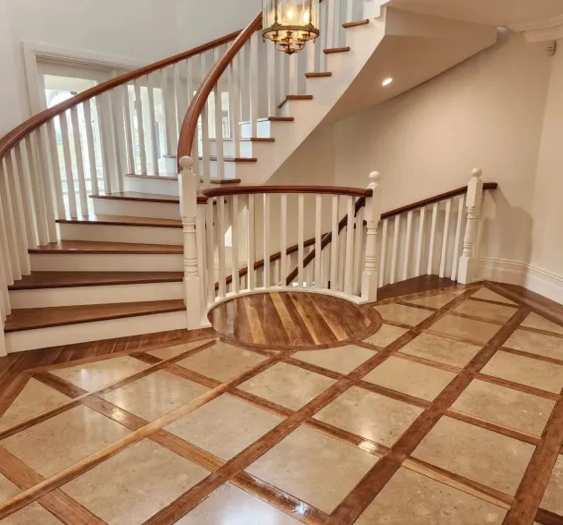
When comparing sanding options for their homes, many homeowners come across dust free floor sanding and wonder how it differs from traditional methods. Floor sanding has evolved significantly over the years, and understanding these differences can help you choose the best approach for your home in Sydney or anywhere across Australia.
Both methods aim to restore timber floors, but the process, cleanliness, and final experience can vary greatly.
What Is Traditional Floor Sanding?
Traditional floor sanding involves using mechanical sanders to remove the top layer of timber. While effective in restoring floors, older sanding systems often produce large amounts of airborne dust. This dust can spread throughout the home, settling on furniture, walls, and even in hard-to-reach areas.
In the past, homeowners had to deal with:
- Extensive cleaning after the job
- Dust entering other rooms
- Temporary air quality issues
Although the final result may still look good, the process itself can be inconvenient and messy.
What Is Dust-Free Floor Sanding?
Modern sanding technology has introduced a cleaner alternative. Dust-free sanding systems use advanced extraction units that capture dust directly from the machine as the sanding takes place.
For example, in areas like the Sutherland Shire, many professionals now use systems designed specifically for dust free floor sanding Sutherland Shire, which combine powerful sanding equipment with high-efficiency filtration. These systems significantly reduce airborne particles, creating a much cleaner working environment.
Key Differences Between the Two Methods
The biggest difference between traditional and dust-free sanding lies in how dust is managed. Traditional methods allow dust to disperse into the surrounding space, while modern systems contain and remove it at the source.
Here are some important points of comparison:
Cleanliness:
Dust-free systems keep your home cleaner during and after the process. Traditional sanding often requires extensive cleanup.
Air Quality:
With dust-free methods, indoor air quality is much better, making it safer for families, pets, and anyone with allergies.
Efficiency:
Modern machines are designed for consistent performance, often resulting in smoother finishes with fewer imperfections.
Convenience:
Less mess means less disruption to your daily routine.
Does “Dust-Free” Mean Completely Dustless?
It’s important to understand that while dust-free systems dramatically reduce dust, no sanding process is entirely 100% dustless. However, the difference compared to traditional methods is significant.
Advanced systems use high-efficiency filters, such as HEPA filters, to capture even fine particles. This makes a noticeable difference in both cleanliness and comfort during the project.
Impact on Finish Quality
Another advantage of modern sanding systems is the quality of the finish. Traditional machines can sometimes leave uneven sanding marks or visible lines due to their design.
Dust-free systems often use newer technology that allows for a more even and controlled sanding process. This results in:
- A smoother surface
- Better preparation for finishing
- A more professional final look
When combined with high-quality finishes, this can greatly enhance the overall appearance of your floors.
Health and Lifestyle Benefits
For many homeowners, the health benefits are a major reason to choose dust-free sanding. Reduced dust means:
- Lower risk of respiratory irritation
- A safer environment for children and pets
- Less need for protective equipment
This is especially important for households where maintaining a clean and healthy indoor space is a priority.
Cost Considerations
Dust-free sanding may sometimes come at a slightly higher cost due to the advanced equipment involved. However, many homeowners find that the added convenience, cleanliness, and improved results are well worth the investment.
When considering cost, it’s important to look at the overall value rather than just the upfront price.
Which Option Is Right for You?
The choice between traditional and dust-free sanding ultimately depends on your priorities. If you’re looking for a cleaner, more efficient, and less disruptive process, modern dust-controlled systems are the clear choice.
Traditional sanding may still be used in some cases, but for most homeowners today, the benefits of advanced technology make dust-free methods the preferred option.
Final Thoughts
Choosing the right sanding method can have a big impact on your experience and the final result. While both approaches can restore timber floors, modern systems offer clear advantages in cleanliness, comfort, and finish quality.
If you’re planning to upgrade your floors and want a cleaner, more efficient process, Pro Finish Flooring provides expert solutions using advanced sanding technology. Contact them today to achieve a smooth, high-quality finish without the mess.